How Final Fantasy XIV Won the 2021 Best Ongoing Game Race
The December air in Los Angeles carried the usual hum of trailers, orchestra cues, and last-minute predictions. When The Game Awards 2021 reached the Best Ongoing Game category, the nominees told a story about where live-service games stood: Apex Legends, Final Fantasy XIV Online, Fortnite, Genshin Impact, and Call of Duty: Warzone. Each had spent the year chasing players with updates, events, and new reasons to return. By the end of the night, Square Enix's MMO had taken the trophy, a result that felt overdue to its loyal community and surprising to viewers who still thought of the category as a battle-royale contest.
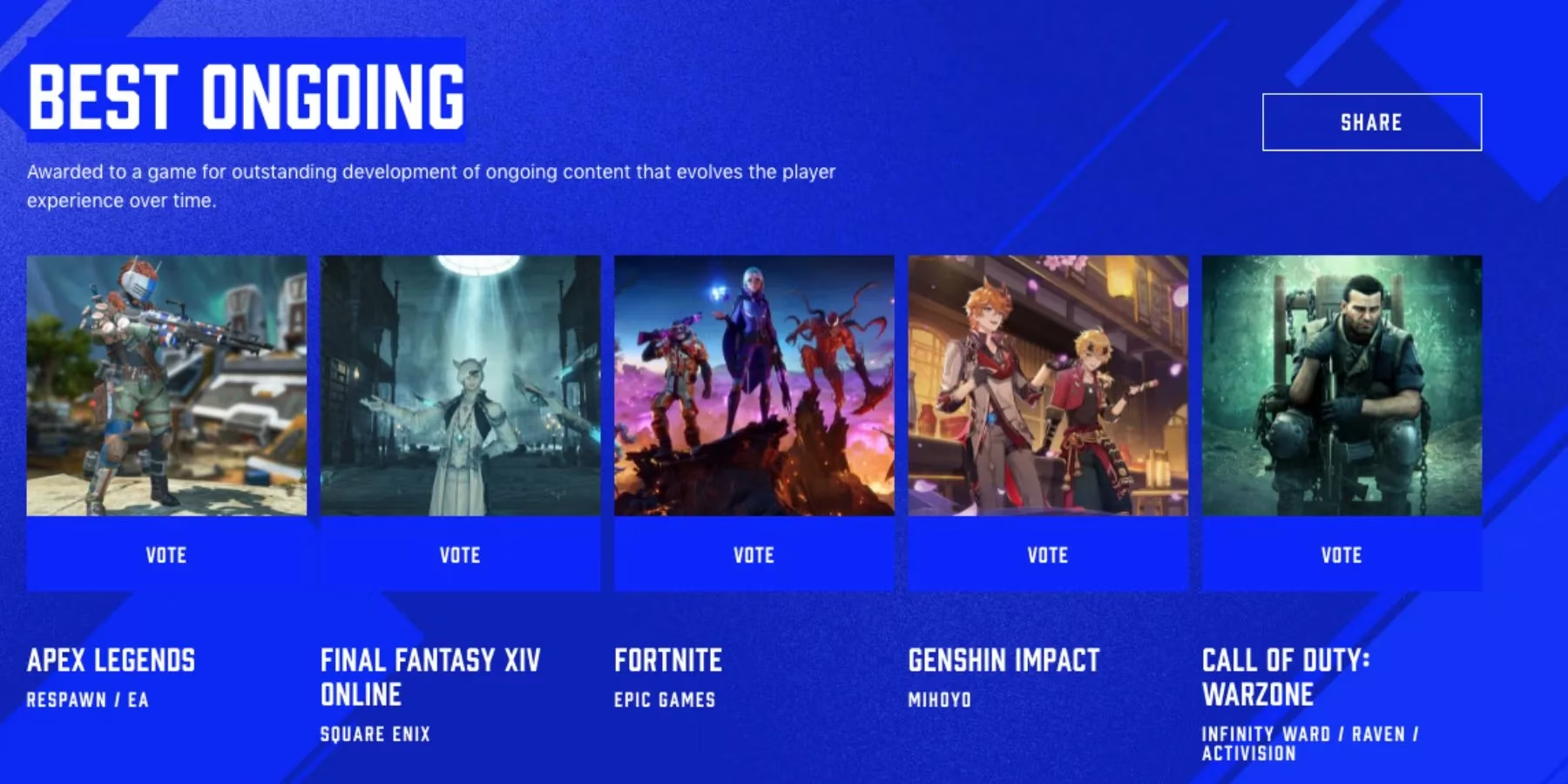
The award was never just a popularity poll. It honored games that kept changing after launch, whether through seasonal content, expansions, crossover events, or steady quality-of-life patches. Almost every nominee operated as a service in some form, asking players to stay engaged across months and years. That made the 2021 race especially interesting, because it pitted three battle royales against a gacha-driven RPG and a long-running MMO. From the vantage point of 2026, the result reads like a snapshot of a turning point: live-service games were already everywhere, but the category was still figuring out how to reward different kinds of longevity.
| Nominee | What It Brought to 2021 | Why It Contended |
|---|---|---|
| Apex Legends | Season 11 updates, returning Titanfall touches | A loyal player base and a second Game Awards nomination |
| Final Fantasy XIV Online | Endwalker early access, Sage class, free trial growth | A celebrated MMO with a devoted community |
| Fortnite | Crossovers, virtual concerts, seasonal spectacle | A cultural reach few games could match |
| Genshin Impact | Dozens of events, character and weapon updates | A free-to-play RPG with broad accessibility |
| Call of Duty: Warzone | Pacific map revamp and shooter momentum | A dominant battle-royale presence |
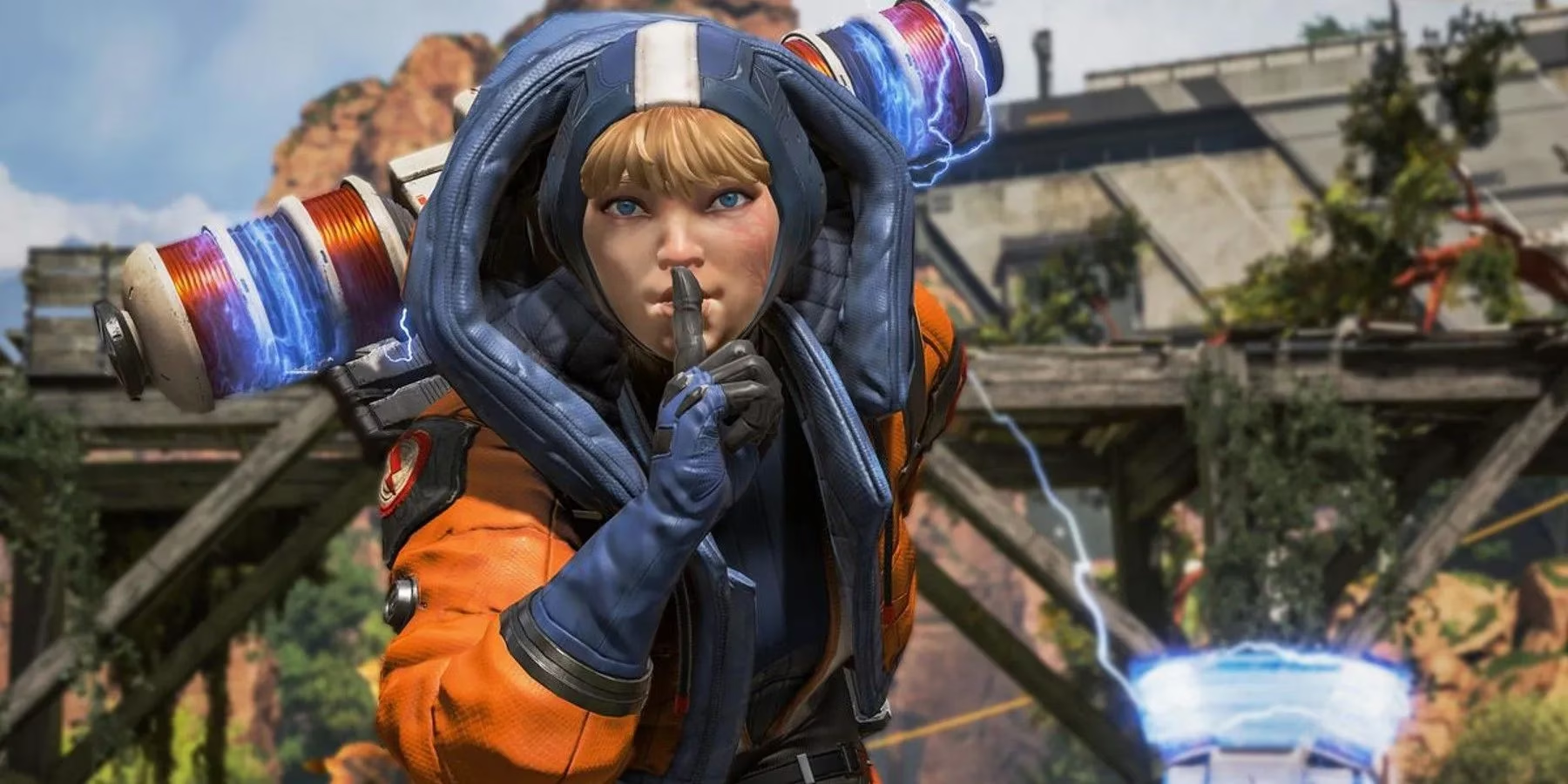
Apex Legends arrived as one of the most familiar names in the lineup. Respawn Entertainment's free-to-play shooter had already won Best Multiplayer Game in 2019, and by 2021 it was deep into its eleventh season. That season improved several features and brought back old Titanfall touches, giving longtime fans something to celebrate. The nomination also landed at a bittersweet moment for Titanfall loyalists, since the original game had been announced for delisting. A win for Apex would have been a morale boost for that corner of the community, and it would have settled a few arguments about which battle royale deserved the crown.
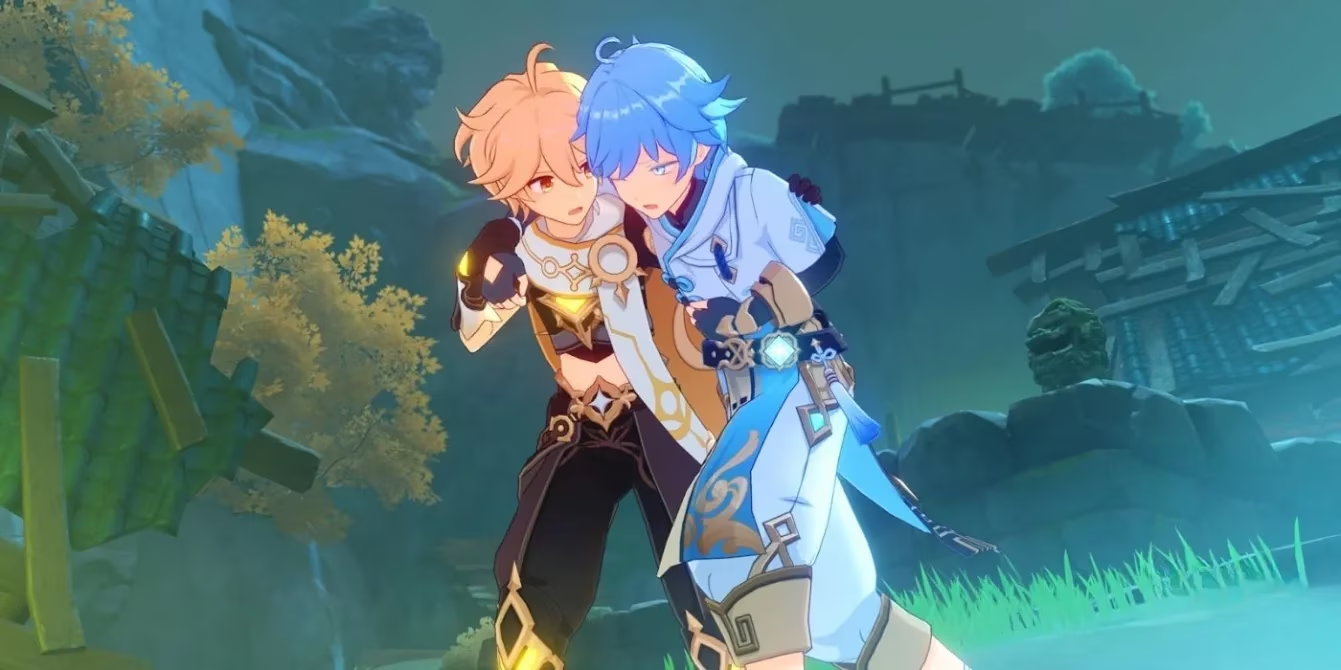
Genshin Impact stood apart because it was not a shooter. MiHoYo's free-to-play RPG offered exploration, world-building, and character stories without demanding an upfront purchase. Its gacha system gave players a way to chase new characters and weapons, but the game still allowed determined players to work through challenges even when luck went against them. That structure supported a busy calendar: more than fifty events in a single year, including returns for launch characters such as Venti. Yet the year was not without friction. Players voiced dissatisfaction with various decisions, and the title became the subject of controversies that complicated its otherwise impressive momentum.
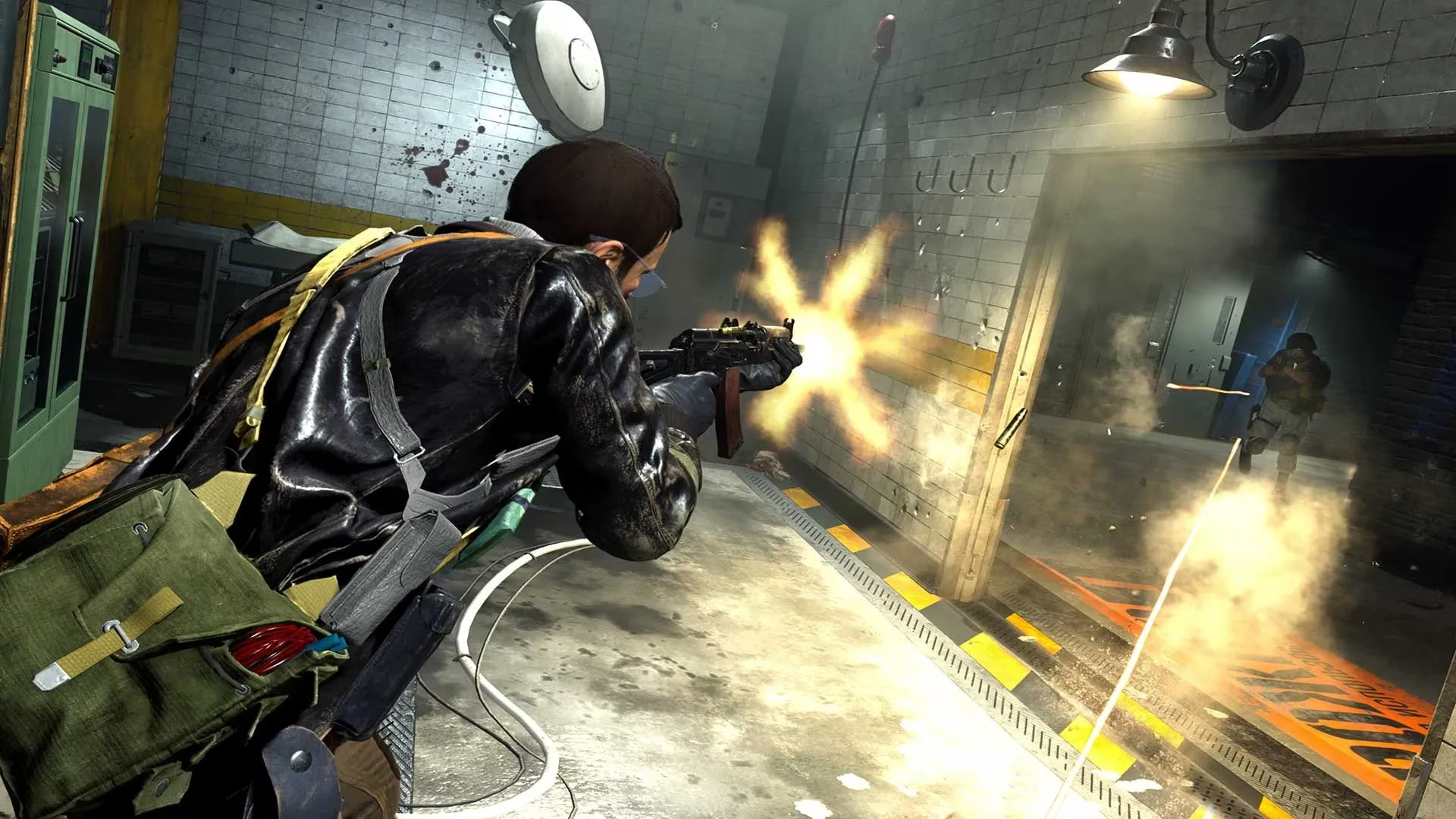
Call of Duty: Warzone carried the weight of expectation. Critics had praised it as one of the strongest battle royales on the market, even if reception beyond its core players was more mixed. The game's scale and promise kept it in the conversation, and a major update arrived just before The Game Awards streamed. One map was being revamped into a new Pacific setting with plenty of tweaks and adjustments. Those changes looked ambitious, but they also arrived alongside reports that Activision had laid off some QA testers after promising pay raises. The controversy did not erase Warzone's nomination, though it added a shadow to the game's otherwise loud momentum.
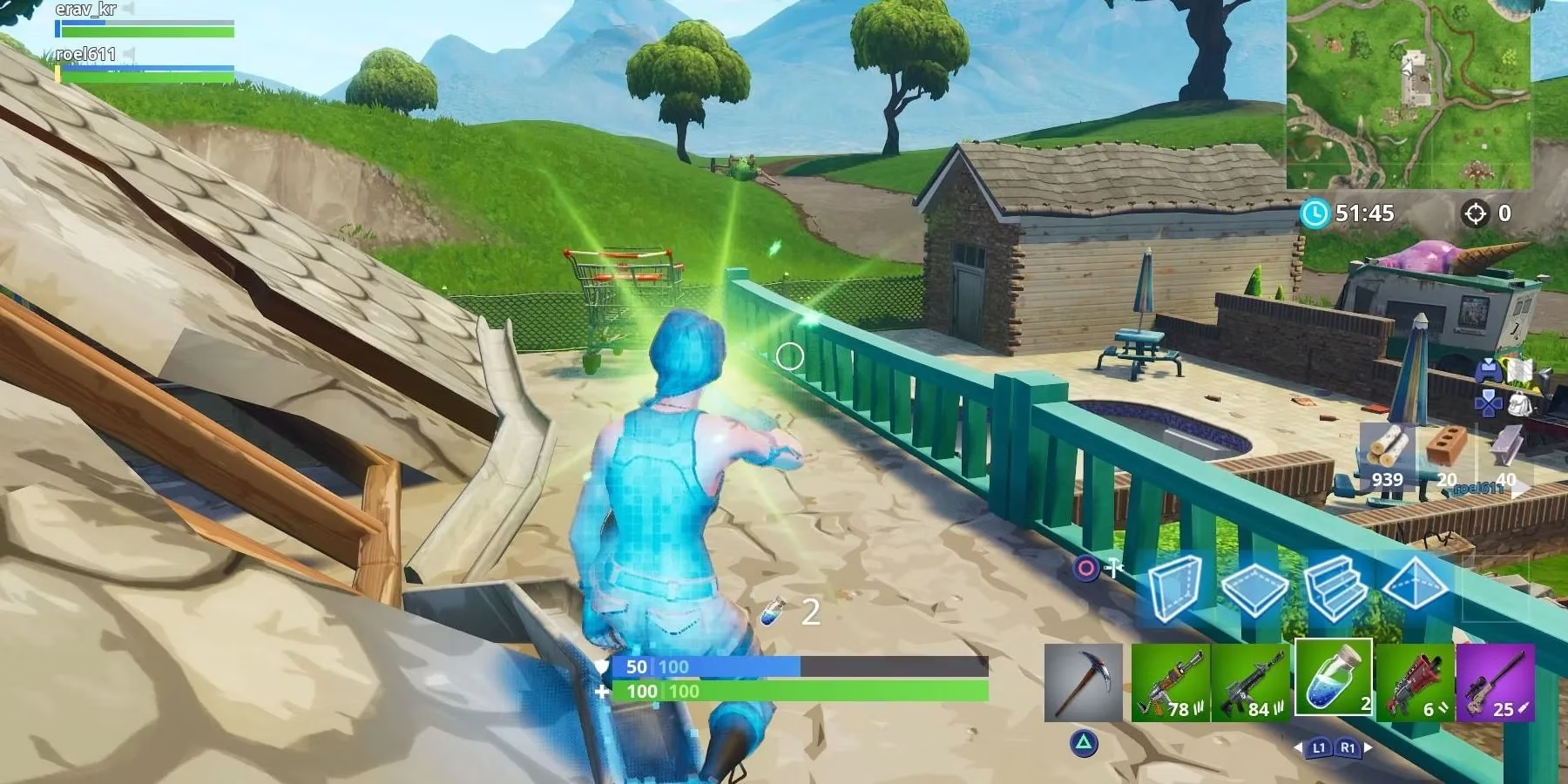
Fortnite, as always, refused to be ignored. The third battle royale in the lineup had become iconic whether people played it or not. Its 2021 slate included crossovers with Naruto and Arcane: League of Legends, plus virtual concerts that other games tried to emulate without matching the scale. Fortnite had already won the award in 2019, and its frequent, strange, and ambitious updates gave it a strong case for a second win. Season 3 and a rumored new animal were already pointing toward more content, which made the game feel less like a nominee and more like a permanent fixture of the category.
Then there was Final Fantasy XIV. On paper, it was the odd one out: the only MMO in a field dominated by shooters and a gacha RPG. In practice, it had spent years building one of the most durable communities in gaming. Its free trial included Heavensward, and the game had seen impressive growth during the pandemic and amid turmoil at the parent company of World of Warcraft. Endwalker was in early access, adding the Sage class and giving players a fresh reason to gather. The game had been nominated for Best Ongoing Game in 2019 and lost to Fortnite, so the 2021 win felt like a correction. Golden Joystick Awards had already recognized it with Still Playing and Best Game Community honors, and those titles reflected the same strength that carried it to The Game Awards stage.
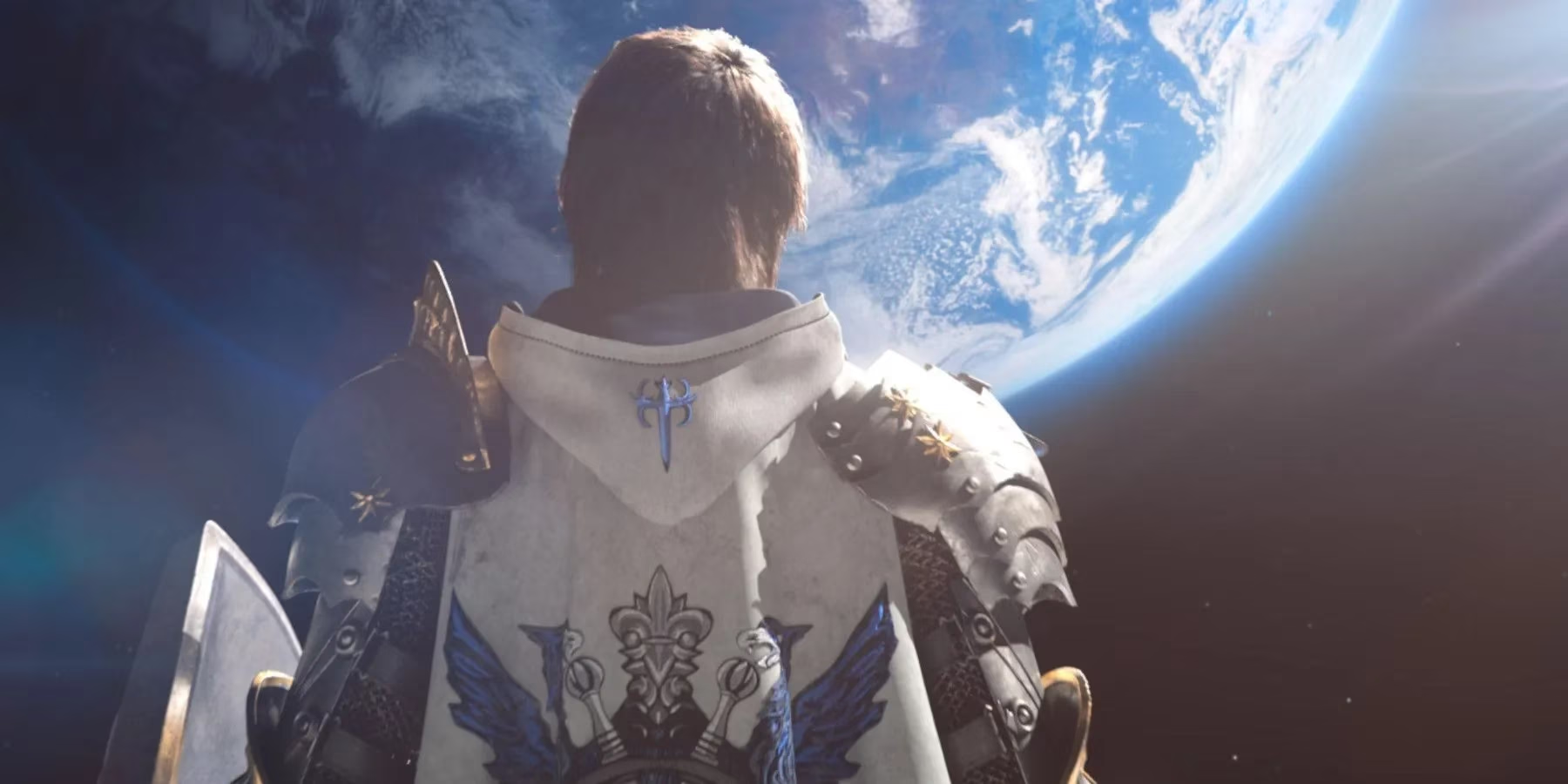
What made the win resonate was the relationship between Square Enix and its players. The developers kept welcoming newcomers, even offering bonuses to higher-level players who helped with starting quests. The community answered with celebrations, guides, and infographics that made complicated systems easier to understand. That cycle of giving back turned Final Fantasy XIV into more than a product with a content calendar. It became a place where players felt invested in one another's experience. The trophy was not a promise that the game would never change; it was a recognition that it had changed well.
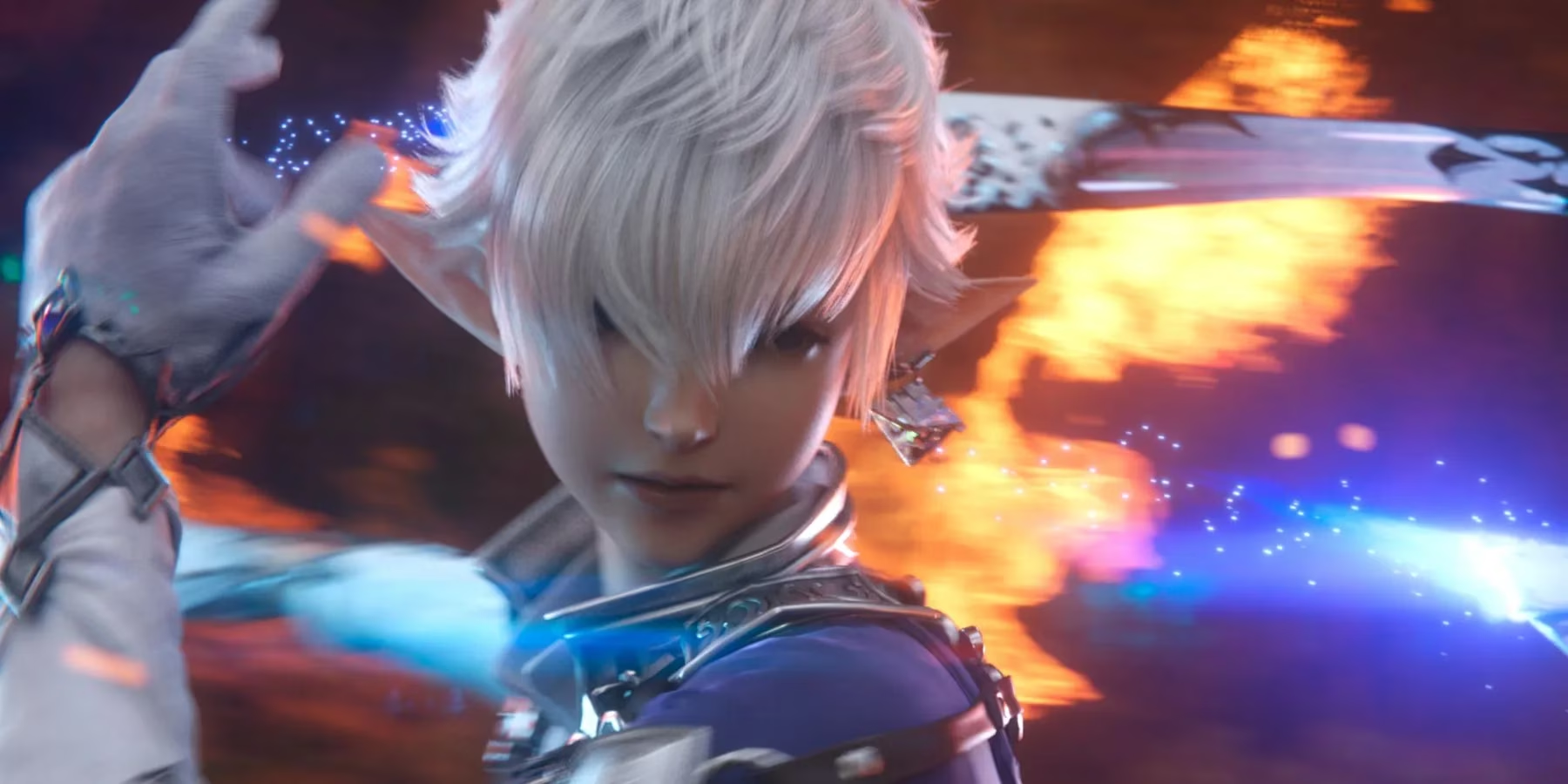
By 2026, the 2021 ceremony is a useful time capsule. It shows how broad the Best Ongoing Game category had become, from Fortnite's crossover spectacles to Genshin Impact's event schedule to Warzone's map-shaking updates. It also shows why Final Fantasy XIV could beat them all. The MMO did not rely on a single season or a viral moment. It built years of trust, then capped that year with Endwalker and a community that knew how to make a virtual world feel welcoming. For Square Enix, the win was overdue. For the category, it was a reminder that ongoing does not only mean loud. Sometimes it means lasting. 🏆