EA's Broken Promises: Apex Legends Creator Compensation Scandal Revisited in 2026
As the gaming industry continues to evolve in 2026, the relationship between major publishers and content creators remains a complex landscape. Looking back at pivotal moments that shaped this dynamic, the Apex Legends third-anniversary event controversy from several years ago serves as a cautionary tale that still resonates today. The incident, which involved unfulfilled promises to content creators who helped design special edition skins, exposed systemic issues in how large corporations engage with the creator community that helps sustain their games.
The Promised Partnership That Never Materialized
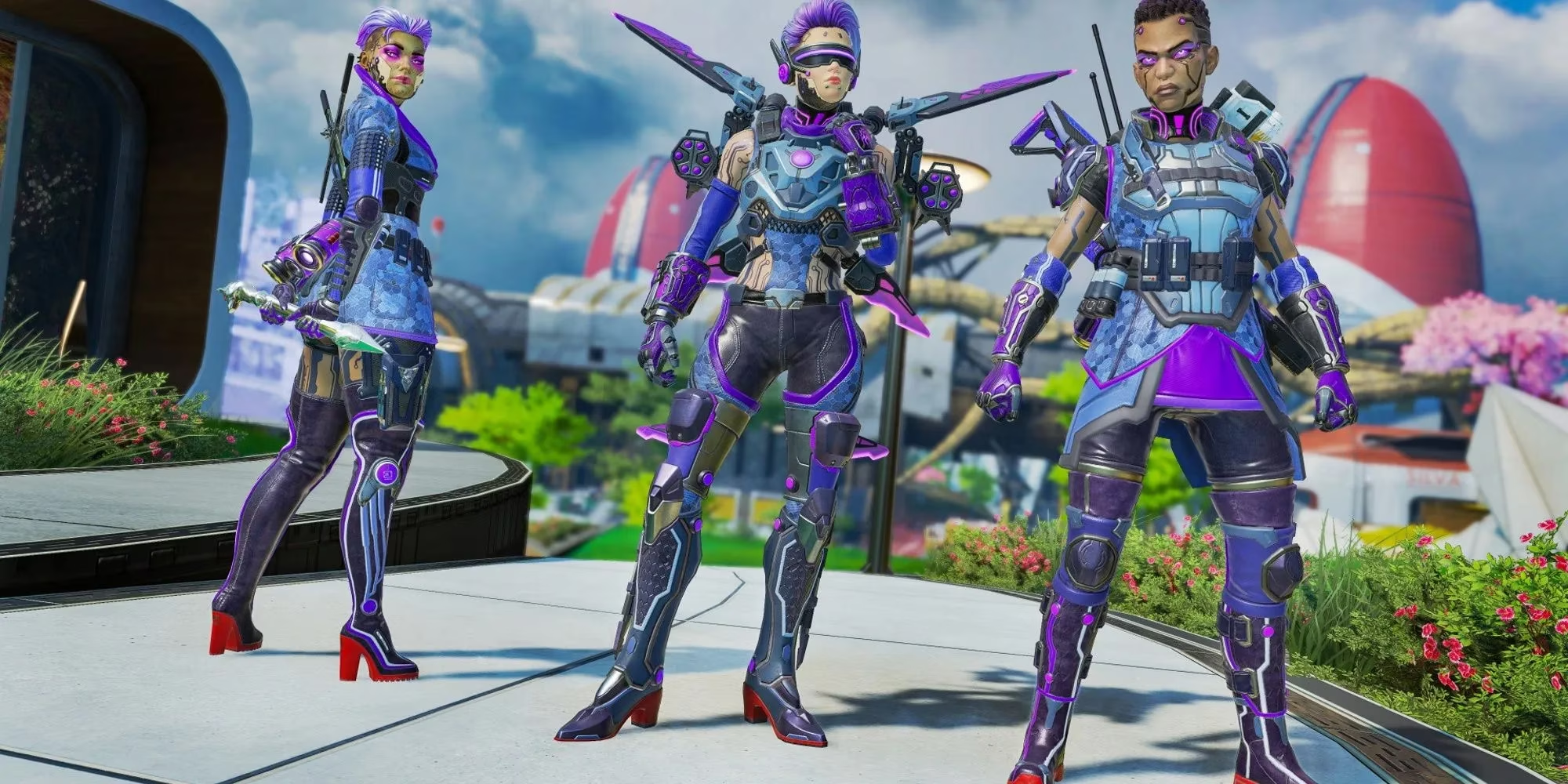
During what should have been a celebratory collaboration, popular Apex Legends content creators were approached by EA with an exciting proposition. The publisher planned to celebrate the game's third anniversary by involving streamers in the skin design process, creating what was promised to be "creator skins" that would bear their names and provide proper compensation. This arrangement was presented as a mutually beneficial exchange where creators would help promote the event while receiving recognition and financial reward for their contributions.
Lindsay "LuluLuvely," one of the creators involved in the project, helped design several skins including colorful variants for Wattson and Mirage, along with a distinctive yellow and purple skin for the popular R-301 Carbine assault rifle. According to Lulu, EA maintained this narrative of partnership and compensation for months during the development process, creating expectations of proper recognition for the creative work being contributed.
The Last-Minute Betrayal
In a shocking turn of events that felt like pulling the rug out from under someone mid-handshake, EA dramatically changed the terms of the agreement just 24 hours before the event went live. As revealed in a clip shared by fellow creator DrUnafraid, Lulu explained: "EA told us for months 'they're going to be creator skins, it's your skin' and then the day before they released them EA was like 'yeah your name is not going to be attached to this skin at all, nor will you get any money from the skin [you helped design], or recognition.'"
This sudden reversal left creators feeling exploited and undervalued. Lulu expressed particular disappointment about the R-301 skin she helped design: "I wish it was actually called the Lulu 301 skin. I wasn't included in the naming process. We didn't get any compensation or anything for that skin."
The recognition that creators ultimately received was minimal—a mere mention in a blog post on the Apex Legends website listing streamers who contributed to the anniversary skins. This token acknowledgment felt like a decorative bow on an empty box, doing little to address the broken promises of compensation and proper attribution.
Wider Communication Issues Exposed
This incident wasn't an isolated case but rather exposed deeper communication problems between EA and the Apex Legends creator community. As noted by gaming outlet PCGamesN at the time, professional player Eric 'Snip3down' Wrona highlighted EA's poor communication practices with creators, suggesting this was part of a larger pattern rather than a one-time oversight.
The controversy revealed several critical issues that still inform creator-publisher relationships today:
| Issue | Impact on Creators | Industry Implications |
|---|---|---|
| Broken compensation promises | Financial loss and exploitation concerns | Erodes trust in publisher partnerships |
| Lack of attribution | Diminished personal brand building | Undermines creative recognition |
| Last-minute contract changes | Creates uncertainty and instability | Sets dangerous precedents for negotiations |
| Poor communication | Damages long-term relationships | Hinders collaborative opportunities |
The Prestige Skin Controversy
Adding fuel to the fire, the third-anniversary event featured another major controversy unrelated to creator compensation but further damaging player trust. The Prestige Bloodhound skin became the center of a firestorm when players discovered it would cost approximately $164 to obtain. This price tag resulted from the requirement to collect all 24 Legendary skins from the event before unlocking the Prestige skin.
Community backlash was immediate and intense, with fans organizing boycott efforts and flooding social media with criticism. The pricing strategy felt like being asked to buy every ingredient in a grocery store just to make a single sandwich—an excessive requirement that alienated the player base. EA eventually responded to the outcry by making the skin available for 150 Heirloom Shards after the event concluded, but the damage to community relations had already been done.
Lasting Impact and Industry Evolution
Looking back from our 2026 perspective, this Apex Legends controversy serves as a watershed moment in gaming industry ethics. The incident highlighted several critical lessons that have since influenced how publishers approach creator collaborations:
-
Transparency in agreements: Clear, written contracts have become standard practice
-
Respect for creative contributions: Proper attribution is now considered non-negotiable
-
Fair compensation models: Revenue sharing and flat fees are more clearly defined
-
Communication protocols: Regular updates and checkpoints prevent last-minute surprises
The gaming landscape in 2026 shows marked improvement in these areas, with many publishers establishing formal creator partnership programs that include:
-
Standardized compensation structures
-
Clear attribution guidelines
-
Legal protections for both parties
-
Mediation processes for disputes
Reflections on Corporate-Creator Relationships
What made the Apex Legends situation particularly egregious was how it treated creator contributions like borrowed library books—something to be used and returned without proper acknowledgment of their value. The emotional impact on creators extended beyond financial concerns, touching on professional respect and creative ownership.
As we analyze this historical incident today, several key takeaways remain relevant:
-
Creator economies depend on mutual respect and fair exchange
-
Short-term profit motives often damage long-term community relationships
-
Transparent communication prevents misunderstandings and builds trust
-
The gaming industry's health relies on sustainable creator ecosystems
In the years since this controversy, both EA and other major publishers have worked to rebuild trust with creator communities through more structured partnership programs. However, the memory of incidents like the Apex Legends third-anniversary debacle serves as an important reminder that ethical business practices must remain at the forefront of industry evolution.
The gaming world continues to navigate the complex relationship between corporate interests and creator contributions, with incidents like this providing valuable lessons about balancing commercial objectives with fair treatment of the creative individuals who help build and sustain gaming communities. As we move forward, the principles of transparency, fairness, and respect remain essential foundations for successful collaborations in the ever-evolving digital entertainment landscape.