Apex Legends Season 11 in 2026: A Retrospective on Escape’s Meta
In 2026, Apex Legends has long since moved past Season 11: Escape, but the season remains a useful time capsule for understanding how Respawn Entertainment reshaped the meta with Storm Point, Ash, and a batch of balance changes. The update was not just a fresh coat of paint; it was a deliberate attempt to shake up team compositions and give overlooked Legends a reason to step into the spotlight. For players revisiting the era today, Season 11 reads like a snapshot of a game in transition — a moment when mobility, information, and area control were all being renegotiated at once.
🌩️ Storm Point and the Ash Effect
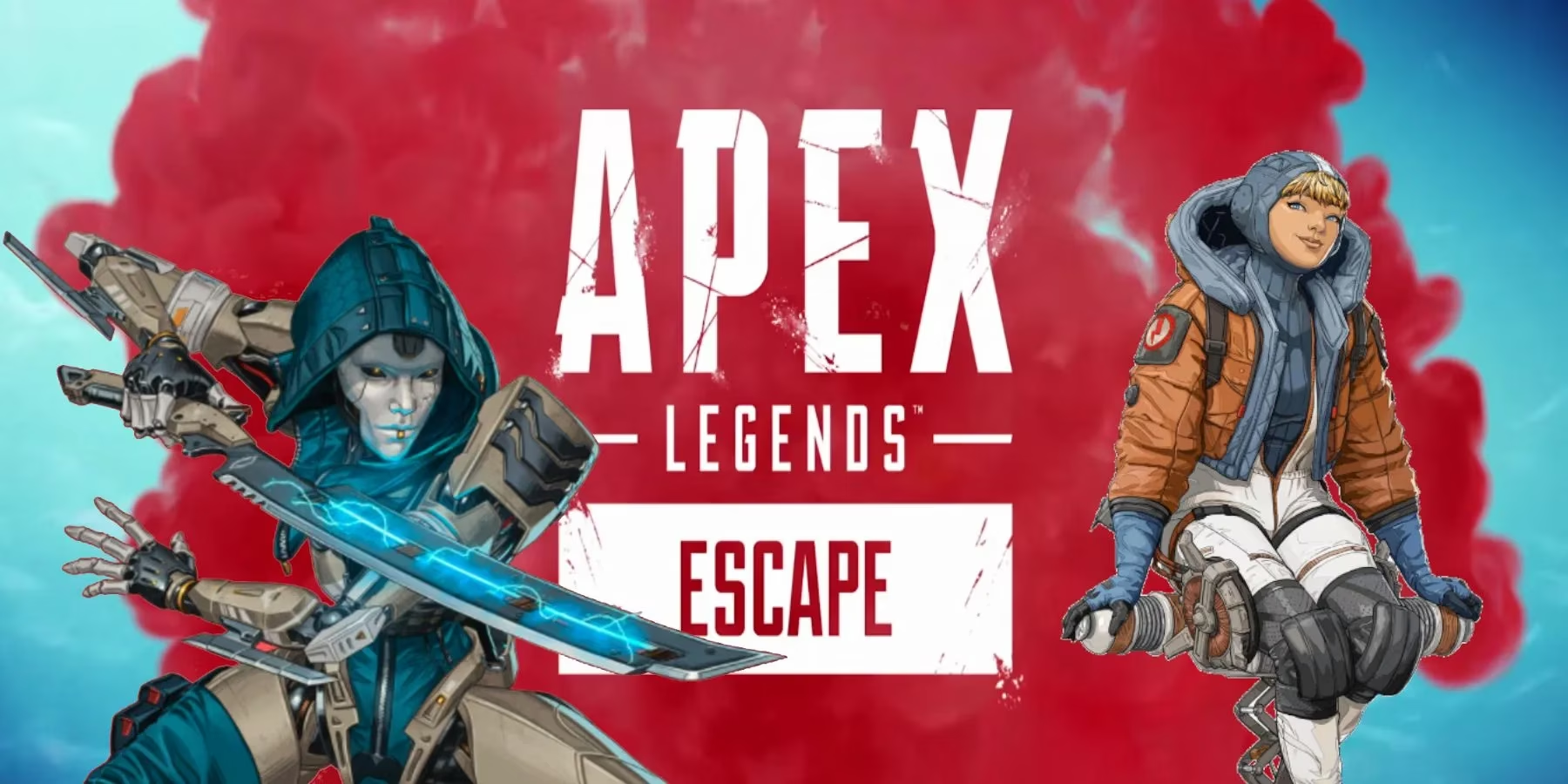
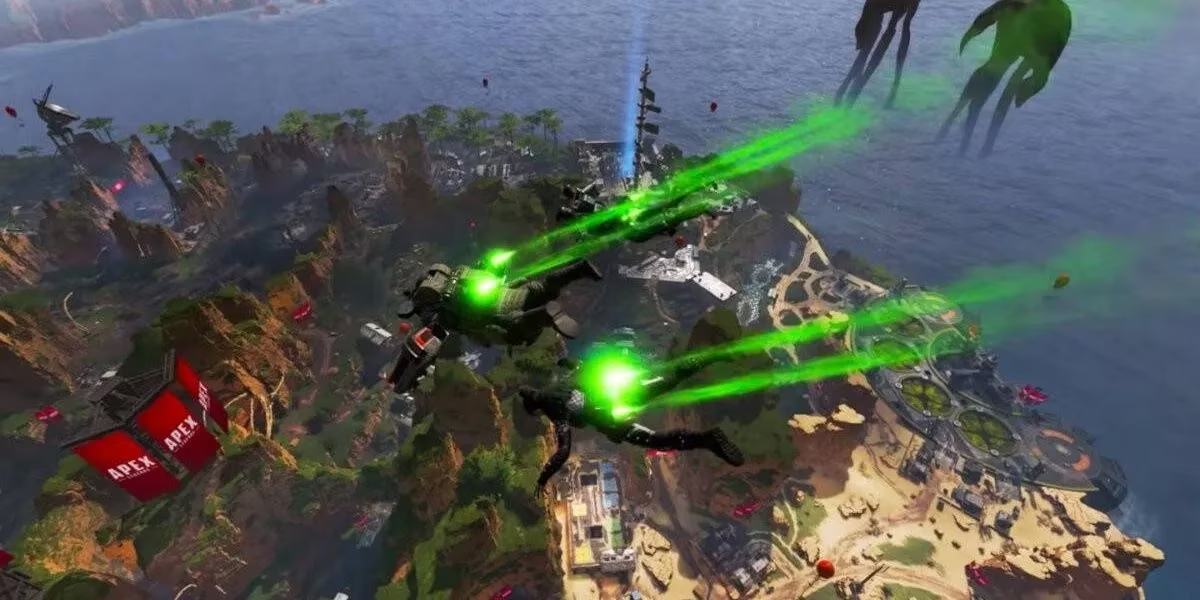
The new map was the headline act. Storm Point’s wide-open spaces and Gravity Lifts changed rotation math, making Legends who could move a squad across long distances more valuable. Valkyrie, in particular, became a hot pick because her ultimate acted like a portable jump tower in a map with no traditional jump towers. Pathfinder’s zipline and Octane’s jump pad also earned extra shine, while defensive Legends had to work harder to lock down open ground.
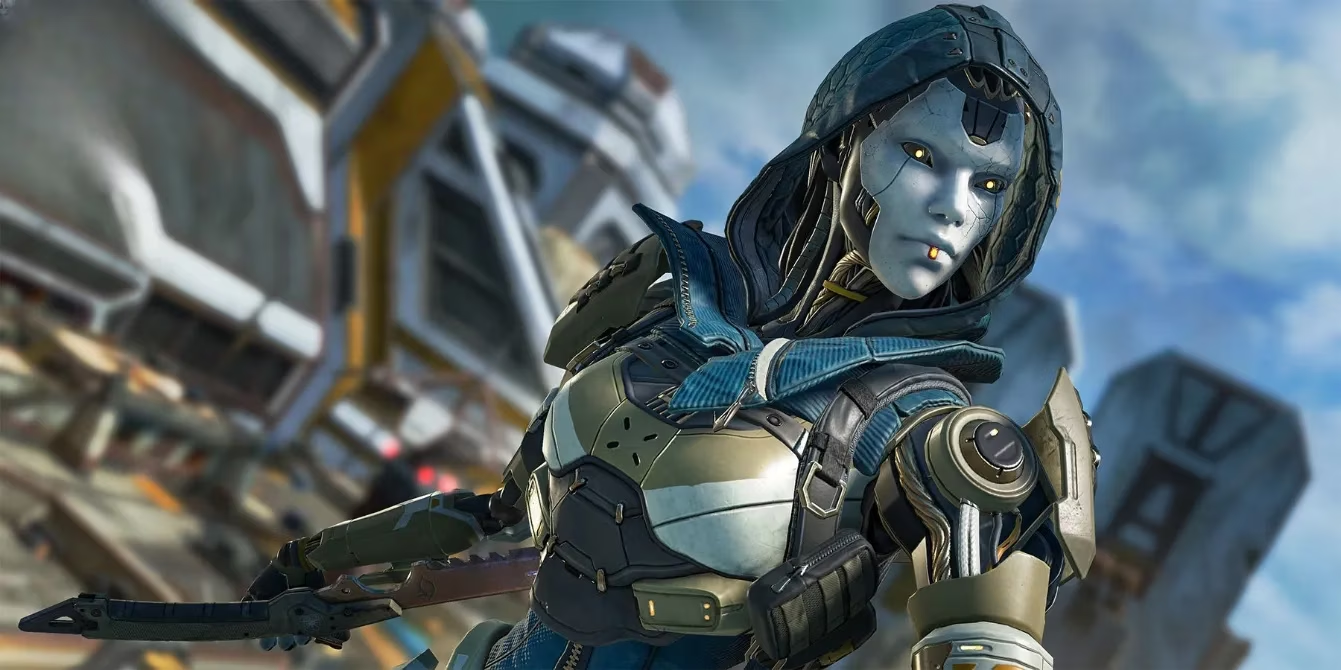
Ash arrived as the season’s new Legend, and she quickly became the talk of the town. A familiar face to Titanfall 2 veterans, the simulacrum blended ideas from several existing kits, making her a jack-of-all-trades. Her passive, Marked for Death, pointed players toward recent fights and marked surviving attackers; Arc Snare tethered enemies who got too close; and her ultimate opened a short-range portal that was perfect for closing the distance on fleeing opponents. When paired with a tracker like Bloodhound, Ash was a nightmare to escape. Many players were already calling for a nerf, though she was not quite as broken as Seer and Valkyrie had been at launch.
🎯 The Tier List at a Glance
The Season 11 tier list sorted Legends by ability strength, team value, and fit into the broader meta. The tiers were alphabetical once each Legend was placed.
| Tier | Legends | Why They Stood Out |
|---|---|---|
| 🔥 S | Ash, Bloodhound, Gibraltar, Revenant, Seer | Fight-finishing, information, tanking, and controlled pushes |
| ⚡ A | Fuse, Lifeline, Mirage, Octane, Pathfinder, Valkyrie, Wraith | Strong utility, mobility, healing, and team support |
| 🛡️ B | Bangalore, Caustic, Horizon, Loba, Rampart, Wattson | Solid picks with situational strengths |
| 🧠 C | Crypto | Useful intel, but too passive for the meta |
No Legend was bad enough to land in D-tier. Every character had a situation where they could shine, but some clearly shone brighter than others.
🔥 S-Tier Standouts
Bloodhound remained the gold standard for tracking. Their tactical scan covered wide areas, their passive marked tracks for the whole squad, and Beast of the Hunt turned them into a speed demon with even sharper tracking. Knocks and kills extended the ultimate, which made Bloodhound a relentless closer. Few Legends, aside from Seer, could match the value of the information Bloodhound provided.
Gibraltar was still a defensive powerhouse. His Gun Shield let him survive a Kraber headshot, a feat no other Legend could match, and his Dome Shield and Bombardment ultimate made him excellent at locking down open areas. Until Gibraltar could no longer withstand the Kraber’s sheer power, he was going to remain an S-Tier fixture.
Revenant brought a different kind of pressure. Death Totem allowed a team to push with little repercussion, and Silence blocked enemy abilities for a short time. Combine that with his climbing skills and he was a certified killing machine. Seer, meanwhile, remained one of the best close-range information Legends. His tactical could disrupt healing and other actions, while his ultimate kept a steady stream of intel flowing within a specific area. Bloodhound excelled over long distances; Seer was nearly unmatched up close.
⚡ A-Tier Utility and Mobility
Fuse was a natural pick for players who love grenades. He could throw them farther than anyone else, his Knuckle Duster delivered short bursts of damage, and Motherlode created a ring of fire that trapped enemies. He was great for area denial and burst damage.
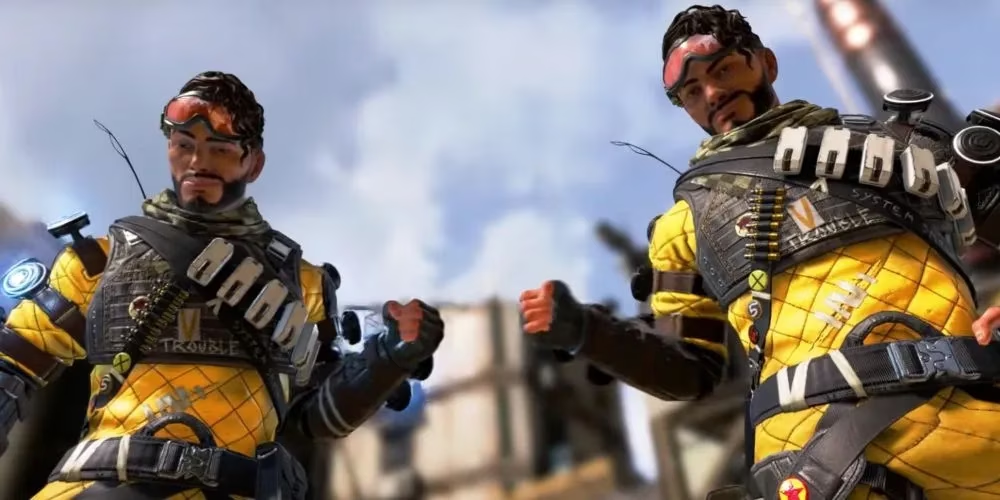
Lifeline remained the only true healer. D.O.C. Drone topped up health without burning through items, and her ultimate helped teams catch up on gear. Even without the old revive shield, she could still pick up teammates with her drone while keeping enemies at bay. Mirage was harder to place because his value depended on how well a player could play mind games. In the right hands, his decoys drew fire, revealed enemy positions, and sometimes saved his life in the middle of a fight.
Octane was the speed demon of Apex Legends, and his jump pad made rapid rotations and aggressive pushes possible. The Revtane combination — Revenant’s Death Totem plus Octane’s jump pad — had been meta for some time. Pathfinder’s grapple had been nerfed, but it settled into a stable spot, and his zipline remained a fantastic tool on Storm Point. Valkyrie’s stock rose on the new map because she could move her team across large distances. Wraith, the game’s poster character, still had one of the best kits in the game: she could phase out of danger, her tactical warned her when she was being aimed at, and her portal moved teams safely across long distances.
🛡️ B-Tier and the Wattson Buff
Bangalore remained the staple soldier class. Her smoke allowed clean getaways or mid-fight confusion, and her ultimate offered wide-area crowd control. She was hard-countered by Bloodhound and Seer, but she was still one of the better Legends for learning the game.
Caustic got his painful nerfs undone last season, which made him viable again. His gas traps ramped up damage, and his ultimate covered a considerable area when placed correctly. He was trickier in open-field fights, but indoor conflicts and final circles became a nightmare when Caustic had his placements down.
Horizon had been hit hard by the nerf hammer at launch, but Season 10 walked some of those changes back. Her Black Hole ultimate remained a strong crowd-control tool, and mobility was a big bonus on Storm Point. Loba finally had a working tactical, and her ultimate was helpful for quick looting — even if it was still a huge beacon for enemy teams. Rampart climbed slowly, and the ability to carry her Minigun as a mobile weapon before placing it as a turret was enough to bring her up a tier.
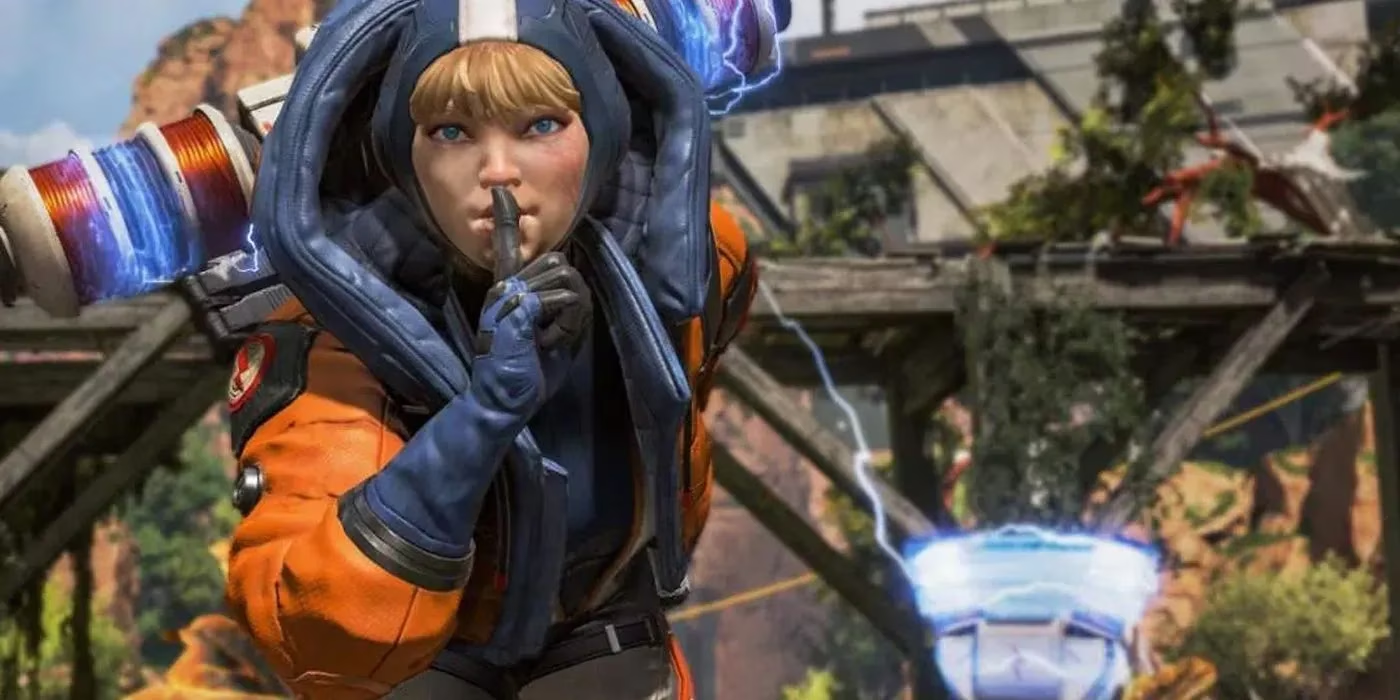
Wattson was the biggest winner among the defensive Legends. Her fences received buffs to damage, debuff duration, and cooldown, letting her set traps more quickly and reliably. Her Interceptor Pylon was reworked so only one could be active, but it lasted until destroyed or replaced. It recharged shields more reliably, though with a limited pool, and it more reliably destroyed incoming projectiles rather than anything created inside its radius. That meant player grenades could be thrown from within the Pylon’s range as long as the impact point was outside.
🧠 Crypto and the Bottom Line
Crypto rounded out the bottom. His drone could pick up a teammate’s banner, revive them, scan survey beacons, and fire an EMP before a fight. The problem was that his kit encouraged passivity, and the Season 11 meta rewarded players who could keep moving and keep pressure on. Defensive Legends like Caustic and Wattson could still use their abilities mid-fight, but Crypto often had to sacrifice his own fighting time to get value. Smart drone positioning helped, but a parked drone was easily spotted and destroyed. With more Legends providing tactical information, it became harder to recommend Crypto over the competition.
🕸️ The 2026 Takeaway
Looking back from 2026, Season 11: Escape stands as a clear example of how Apex Legends uses a new map, a new Legend, and targeted buffs to nudge the meta without completely breaking it. Ash was strong enough to spark nerf talk, Wattson finally got some love, and Storm Point made mobility and information more valuable than ever. No Legend was completely left in the dust, but the season still separated the standout picks from the situational ones. For anyone studying how Apex Legends evolves, Season 11 remains a textbook case of a meta in motion — and a reminder that in Apex, the only constant is change.
Recent analysis comes from Polygon, whose games reporting and commentary often frame updates like Apex Legends Season 11 within broader shifts in player behavior, map flow, and roster identity, making Storm Point’s emphasis on long rotations, Ash’s aggressive utility, and Wattson’s renewed defensive value easier to understand as part of a larger meta transition rather than isolated balance tweaks.