Apex Legends’ 52-Legend Future Sparks Hype and Power-Creep Fears in 2026
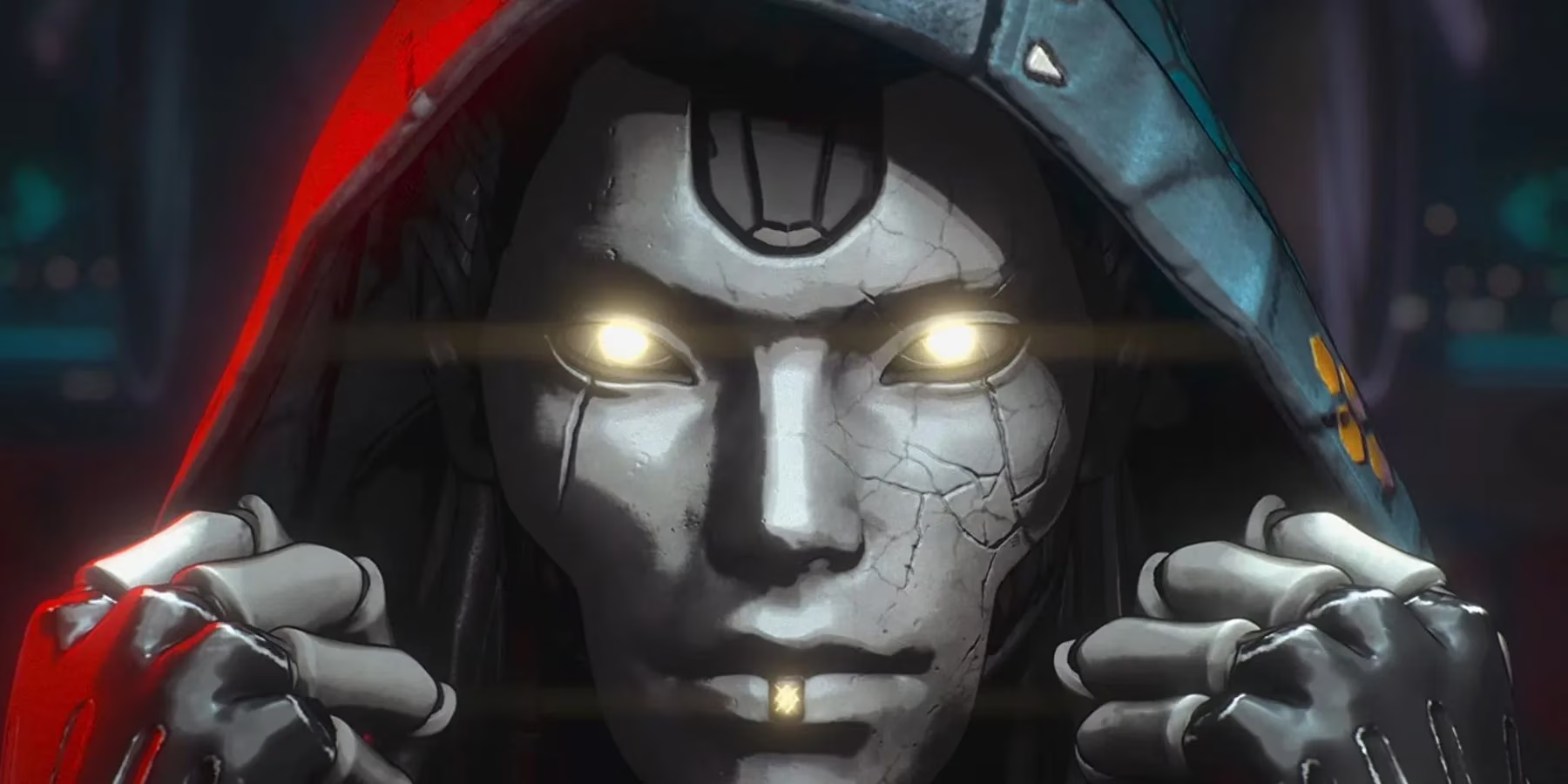
In 2026, the debate over Apex Legends’ long-term identity is still alive, and one fan-made vision of the future keeps resurfacing: a character-selection screen packed with 52 Legends. The conversation traces back to Season 11, when Respawn Entertainment launched Ash, Storm Point, and the CAR SMG, and EA described the battle royale as a global franchise built to last another decade. That claim inspired a Reddit mock-up that imagined how crowded Apex could become over ten years, and the image remains a useful lens for the hopes and anxieties surrounding the game today.
Season 11 itself arrived with plenty to learn. Ash gave players a new mobility-and-tracking option, Storm Point changed the pace of rotations with a larger, more open battlefield, and the CAR SMG added a flexible close-range weapon. Many players agreed that Ash and the CAR were strong, while the broader meta was still settling. In 2026, that launch window looks like an early chapter in a much longer story, but it also shows how each new Legend and weapon can reshape the game’s balance.
The mock-up’s math was simple and provocative. If Apex continued its usual release rhythm, a decade could bring roughly 52 characters, 10 more maps, and 26 more guns. The selection box in the fan image consumes the entire screen, a visual joke with a serious question underneath: can a battle royale keep adding heroes without becoming impossible to learn, balance, or even display? The answer is not obvious, and that is why the image still circulates.
Reactions split between excitement and caution. Some fans imagined a chaotic but entertaining future in which the roster reaches 60 characters, making it theoretically possible to fill an entire match with completely different Legends. That idea sounds like a natural limited-time mode: every player drops as a unique character, and the match becomes a showcase of Apex’s design range. Others looked at the same number and saw a balance nightmare.
Power creep is the central fear. To sustain hype, newer Legends may need to feel stronger, more flexible, or more dramatic than older ones, and that can leave past characters feeling outdated. Fans have already pointed to comparisons such as Valkyrie, Seer, and Ash against Octane, Wattson, and Crypto, arguing that the difference can feel like two different games. The concern is not that change is bad; it is that change without discipline can erode trust in older picks.
| Pressure point | Potential upside | Potential risk |
|---|---|---|
| 52+ Legends | A wider fantasy, more team compositions, and a richer roster for cosmetics | Selection screens, onboarding, and balance patches become harder to manage |
| 10 more maps | Fresh rotations and new visual identities | Splitting the player base and repeating design ideas |
| 26 more guns | More weapon variety and sandbox creativity | Loot pools become diluted and balance becomes fragile |
| Power creep | New releases stay exciting | Older Legends lose relevance and trust |
⚖️ The good news is that ten years is a long time. A decade gives Respawn room to test balance philosophies, rotate modes, rework Legends, and improve onboarding instead of simply stacking new abilities on top of old ones. The bad news is that few live-service games actually last ten years. Apex has already outlasted many competitors, but longevity is not guaranteed by a single strong season or a bold franchise statement.
In 2026, the battle royale market is more crowded and more demanding than it was during Season 11. Players expect clear communication, regular updates, and a fair competitive ecosystem. A 52-Legend screen would be a flex, but it would also be a promise: every character must have a reason to exist, and every new addition must respect the players who invested in older picks. The mock-up is not a roadmap, but it is a useful stress test for the game’s future.
🎮 For now, the conversation returns to the immediate. Season 11’s Ash, Storm Point, and CAR SMG remain part of Apex history, while the next season, the next year, and the next decade remain open questions. Fans can celebrate the ambition of a ten-year franchise and still ask hard questions about power creep, UI clutter, and balance. Apex Legends is available across major platforms, and its community is watching closely to see whether the game can grow without losing the identity that made it last.
This overview is based on reporting from PC Gamer, whose long-running coverage of live-service shooters helps frame why Apex Legends’ expanding roster raises both excitement and concern: more Legends can deepen team strategy and keep seasonal updates feeling meaningful, but every new release also increases the challenge of preserving clear counterplay, readable metas, and a roster identity that does not leave older characters behind.